Quick answer
The first four symbols, ㄅㄆㄇㄈ, are read aloud in two ways in Taiwan: ㄅㄛ ㄆㄛ ㄇㄛ ㄈㄛ (bo po mo fo, often presented as the standard reading) and ㄅㄜ ㄆㄜ ㄇㄜ ㄈㄜ (be pe me fe, very common in everyday use). Both are understood. The difference only affects the names of these four symbols; no word is pronounced, spelled or typed differently.
The two readings of ㄅㄆㄇㄈ
Consonants are hard to say on their own, so when people name a Zhuyin initial they add a vowel to make it audible, much like English says "bee" for B. For ㄅㄆㄇㄈ there are two habits:
- ㄅㄛ ㄆㄛ ㄇㄛ ㄈㄛ (bo, po, mo, fo): often presented as the standard reading, and the source of the name "Bopomofo". It also matches the way Pinyin learners recite b, p, m, f.
- ㄅㄜ ㄆㄜ ㄇㄜ ㄈㄜ (be, pe, me, fe): what many people in Taiwan actually say day to day, in classrooms and at home.
The vowel ㄜ here is the one in 哥 ㄍㄜ gē, not the English "e" in "bet".
Only the names change, not the words
This is the most important point and the one learners most often worry about. The choice between ㄅㄛ and ㄅㄜ is only about how you say the symbol's name when reciting or spelling aloud.
It has no effect on real words. 爸 is ㄅㄚˋ either way, 媽 is ㄇㄚ, 我 is ㄨㄛˇ. Nobody spells or types anything differently, and the keys on a Zhuyin keyboard are the same. Whichever reading you hear from a teacher or friend, you are learning the same system.
Where the names do matter is in conversation about spelling. If a friend in Taiwan tells you a word starts with "ㄅㄜ" and your textbook taught you "ㄅㄛ", they mean the same symbol. Once you know both names exist, these moments stop being confusing.
The recitation order of the 37 symbols
Zhuyin has a fixed order that people in Taiwan learn as children, a bit like the ABC song. Spoken in groups, it goes:
- ㄅㄆㄇㄈ · ㄉㄊㄋㄌ · ㄍㄎㄏ · ㄐㄑㄒ
- ㄓㄔㄕㄖ · ㄗㄘㄙ
- ㄚㄛㄜㄝ · ㄞㄟㄠㄡ · ㄢㄣㄤㄥ · ㄦ
- ㄧㄨㄩ
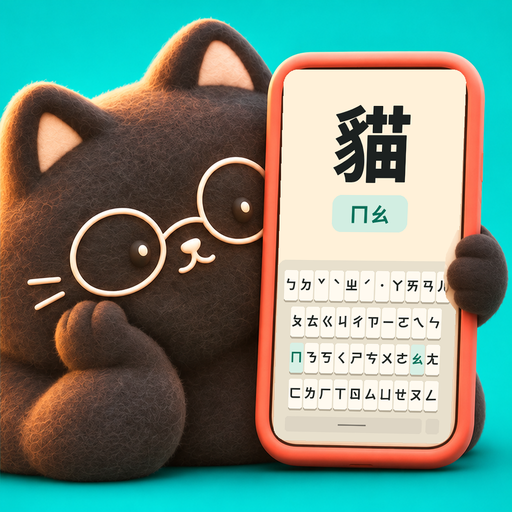
Learning the order pays off at the keyboard: on a computer's standard Zhuyin layout, the columns roughly follow it, with ㄅㄆㄇㄈ down one column and ㄉㄊㄋㄌ down the next.
How the other symbols are named
Only ㄅㄆㄇㄈ have two common readings. The rest are named in a consistent way that is worth knowing, because it is what you will hear when someone spells a word for you.
| Symbols | Said as | Why |
|---|---|---|
| ㄅㄆㄇㄈ | ㄅㄛ ㄆㄛ ㄇㄛ ㄈㄛ or ㄅㄜ ㄆㄜ ㄇㄜ ㄈㄜ | a vowel is added; two habits exist |
| ㄉㄊㄋㄌ | ㄉㄜ ㄊㄜ ㄋㄜ ㄌㄜ | a vowel ㄜ is added |
| ㄍㄎㄏ | ㄍㄜ ㄎㄜ ㄏㄜ | a vowel ㄜ is added |
| ㄐㄑㄒ | ㄐㄧ ㄑㄧ ㄒㄧ | a vowel ㄧ is added |
| ㄓㄔㄕㄖㄗㄘㄙ | as their bare syllables (zhi, chi, shi, ri, zi, ci, si) | they can already be said alone |
| ㄧㄨㄩ and the 13 finals | as themselves | they are vowels already |
Which reading should a learner use?
There is no wrong answer. A simple rule works well: pick one, use it consistently, and learn to recognize both.
If your teacher, partner or the people around you say ㄅㄜ, follow them; it will sound natural in Taiwan. If you studied Pinyin first, or your textbook uses ㄅㄛ, that is fine too. What matters is that you link each shape to its sound quickly, and that you are not thrown off when someone uses the other reading.
- Living in Taiwan or learning with Taiwanese friends: ㄅㄜ will match what you hear most.
- Following a textbook or a class that uses ㄅㄛ: stay with the class.
- Teaching children or a group: agree on one and keep it the same for everyone.
Hearing and practicing the names
The fastest way to settle the names in your head is to hear them while you use the symbols. Saying each name as you write or type it ties the sound, the shape and the key together.
Typomo can read each symbol aloud as you type it, and its settings let you choose ㄅㄜ ㄆㄜ ㄇㄜ ㄈㄜ (the default) or ㄅㄛ ㄆㄛ ㄇㄛ ㄈㄛ. Only those four names change. To see every symbol with an example word, open the Zhuyin chart; for the order the app teaches them in, see the learning path and Zhuyin keyboard practice.
Frequently asked questions
Is it bo po mo fo or be pe me fe?
Both are used in Taiwan. Bo po mo fo (ㄅㄛ ㄆㄛ ㄇㄛ ㄈㄛ) is often presented as the standard reading, while be pe me fe (ㄅㄜ ㄆㄜ ㄇㄜ ㄈㄜ) is very common in daily life. Everyone understands either one.
Does the reading change how words are pronounced?
No. It only changes how the names of ㄅㄆㄇㄈ are said when reciting the alphabet. Words such as 爸 ㄅㄚˋ or 媽 ㄇㄚ sound exactly the same, and nothing is typed differently.
How do you say ㄓ or ㄙ on their own?
ㄓㄔㄕㄖㄗㄘㄙ are named as the syllables they make by themselves: zhi, chi, shi, ri, zi, ci, si. Other initials get an added vowel, such as ㄉㄜ or ㄐㄧ.
What order are the 37 symbols recited in?
The initials from ㄅㄆㄇㄈ through ㄗㄘㄙ come first, then the finals ㄚㄛㄜㄝ ㄞㄟㄠㄡ ㄢㄣㄤㄥ ㄦ, and finally ㄧㄨㄩ.